Hemorrhoids and anal fissures have similar causes and symptoms, and one may be mistaken for the other. Both haemorrhoids and anal fissures can occur due to too much straining while pooping, and both can produce rectal bleeding, pain, and anal itching. Hemorrhoids do not always cause pain, whereas anal fissures always cause anal pain. Pain due to haemorrhoids is constant, but pain due to anal fissures is not constant and may occur in episodes.


Table of Contents 
Introduction
An anal fissure is caused due to trauma to the inner lining of the anal canal. It causes pain and bleeding, especially while passing bowel movements. Anal fissures occur commonly, especially in pregnant women and children. If you are looking for expert fissure treatment, Gleneagles Hospitals is the ideal choice, providing advanced laser treatment for effective healing.
What Is An Anal Fissure?
An anal fissure is a crack in the inner lining of the anus which causes pain and bleeding during bowel movements. It is mainly caused due to straining while passing hard stools. An anal fissure can heal itself with time.
Causes Of Anal Fissure
The most important causes of anal fissure are:
- Trauma: It is the most common cause of anal fissure. Excess stretching or straining can cause the anal lining to tear.
- Chronic constipation: It is also an important cause of fissures. Excess straining to poop can cause a tear in the lining.
- Chronic diarrhoea: Long-term diarrhoea can cause a crack in the anal lining.
- Childbirth: Women mainly suffer from fissures after childbirth.
- Anal intercourse: Anal intercourse can cause trauma and tear in the anal lining.
- Poor hygiene and infections: Some people suffer from chronic bacterial or fungal infections of the anal region that can cause irritation and lead to fissures.
- Reduced blood flow: Reduced circulation in the rectal region can increase fissure risk.
Other causes of fissure include the following:
- Anal cancer
- Sexually transmitted infections
- Prior surgery of the anal canal
- Diaper rash
- Inflammatory bowel disease
- Tuberculosis
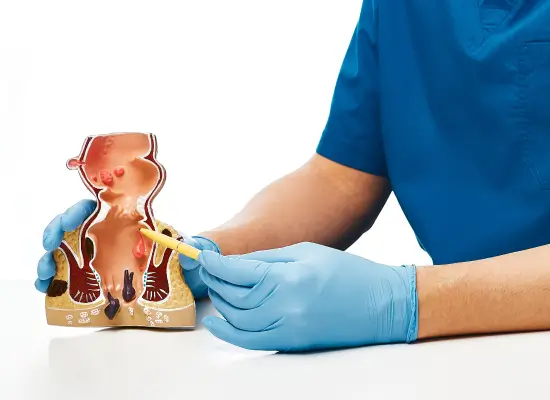
Symptoms Of Anal Fissure
Common symptoms of anal fissure include the following:
- Sharp and shooting pain while passing bowel movements
- Burning and itching of the anus while pooping
- Bleeding while passing stool
- Spasms of the muscles around the anal canal
- Formation of a lump on the skin around the tear
- A crack or tear near the anal opening
Your health matters – get expert advice today.
Diagnosis Of Fissure
An anal fissure can be diagnosed by using the following tests:
- Physical examination: When you visit a doctor, the doctor may inspect the anal region to see any visible tears, swelling, or skin tags.
- Digital rectal examination (DRE): The doctor may insert a gloved and lubricated finger into the anus to feel tightness, tenderness, or spasms.
- Anoscopy: It is a small lighted tube that is inserted into the rectum to view internal tears.
- Additional tests: If a person has excess bleeding and the fissure does not heal with the home remedies or medications, the doctor may perform a colonoscopy or sigmoidoscopy.
Treatment For Fissures
An anal fissure can be treated using different methods. Important methods of fissure treatment include the following:
1. Conservative Treatment: Mild fissures can heal by itself within 4-6 weeks using home remedies and making lifestyle changes.
2. Lifestyle Changes:
- Include more fibrous foods in your diet to soften stool and reduce straining. Fibre-rich foods include green leafy vegetables, fruits, nuts, seeds, and whole grains.
- Drink at least eight to ten glasses of water daily to soften stools.
- Soak in warm water for 10-15 minutes 2-3 times daily to relieve pain. It relaxes the anal sphincter and enhances blood flow to the anal region for quick healing.
- You can use lidocaine cream to get relief from pain. Hydrocortisone cream can be used to reduce swelling and inflammation. Nitroglycerine ointment can be used to relax the muscles of the anal sphincter and improve blood flow.
- Psyllium husk can be used daily to ease bowel movements.
- Avoid straining and heavy lifting, as it can make the condition worse.
3. Medical and Minimally Invasive Treatment: People suffering from chronic fissures may consult doctors for the right treatment. For chronic cases, doctors recommend the following treatment options:
- Botox injections: Botox injections may be given to relax the anal sphincter and quick healing. The effect of Botox injections lasts for 3-6 months.
- Chemical cauterization: In this method, silver nitrate or phenol can be applied to promote healing. It is recommended if conservative treatment fails to give relief.
- Fissurectomy: It is a minimally invasive procedure in which damaged tissue is removed to enhance new tissue growth. It is used for complex fissures.
- Surgical treatments: Surgery is recommended if all other treatments fail to give relief.
- Later internal sphincterotomy (LIS): It is the most common surgical treatment for chronic anal fissures. The surgeon makes a small cut in the internal anal sphincter to reduce tension and for quick healing.
- Advanced Flap Surgery: It is recommended for severe cases when a fissure does not heal after LIS. In this procedure, a healthy tissue flap is taken from the rectal region to cover the fissure.
Why Choose Gleneagles Hospitals For Fissure Treatment?
Gleneagles Hospital is the leading hospital for fissure treatment. It is known to offer comprehensive and individualised treatment for fissures. The hospital also offers fistula laser treatment. If you search the internet for fissure treatment, you will find this hospital at the top of the list. Other reasons to choose Gleneagles Hospitals for fissure treatment are:
- Specialized Medical Team: The hospital has a team of experienced and specialised colorectal surgeons who have expertise in diagnosing and treating anal fissures. They have expertise in treating a wide range of colorectal problems to provide tailored and effective treatment to all patients.
- Advanced Minimally Invasive Techniques: Gleneagles Hospital offers advanced minimally invasive treatments for patients to help them recover quickly. These techniques include laser treatments, laparoscopic surgeries, and others that reduce pain and discomfort and help in quick healing.
- Comprehensive Care and Treatment: Gleneagles Hospitals offers holistic treatment and care to patients. The hospital has expert dieticians who give dietary guidelines to the patients, suggest methods to reduce pain, and offer complete support after surgery. This comprehensive approach ensures continuous care to patients throughout their treatment.
- State-of-the-Art Infrastructure: The hospital is well equipped with modern and latest medical techniques to ensure precise diagnosis and effective treatment. The hospital maintains high standards of care by providing the best medical and surgical facilities to patients.
- High Success Rate: The hospital boasts of giving successful results for patients with fissures. The specialised team of doctors, advanced treatment strategies, and comprehensive care have helped the hospital achieve a high success rate in fissure treatment.
Conclusion
Anal fissures are painful but can be treated with proper care. Acute anal fissures can heal using home remedies and making dietary changes. However, chronic fissures need complex treatments. If you are suffering from a chronic anal fissure, you must consult with the best doctor. An experienced doctor can understand your condition and can recommend the best treatment for anal fissures. Early medical intervention can help to prevent complications. You can consult with a doctor at the Gleneagles Hospitals to get the best treatment for anal fissure.
Frequently Asked Questions
Q1.What is the difference between a haemorrhoid and an anal fissure?
Q2.What are the complications of anal fissures?
Most anal fissures heal by themselves in a few weeks, but complications can occur if they do not heal. Continuous pain and muscle spasms can cause tightening of anal muscles. This can produce muscle tension and reduced blood flow to the anal region. It makes it difficult to heal and can cause more pain. If fissures are not treated for too long, they can lead to further complications such as anal stenosis, faecal impaction, and anal fistula.
Q3.How long do anal fissures last?
Most anal fissures may heal within a few weeks. A chronic anal fissure may last for more than two months. If you do not take treatment for anal fissures, it may become chronic and lead to further complications. If you start fissure treatment, it may heal within 6-12 weeks to heal completely.
Q4.How can I prevent anal fissures?
You can prevent anal fissures by making lifestyle changes. Eat a fibre-rich diet with fruits, green leafy vegetables, nuts, and whole grains. Drink plenty of water and exercise regularly. Visit Gleneagles Hospitals if you experience persistent pain or bleeding from the anal region to prevent complications.
Q5.What home remedies can I use for quick healing of fissures?
You can use the following home remedies for quick healing of fissures:
- Apply coconut oil or an aloe vera gel to moisturize the skin and reduce irritation.
- You can apply a turmeric paste to reduce inflammation and pain.
- Use cold compresses to reduce pain and swelling.
- Avoid alcohol, caffeine, and spicy foods, as these foods can irritate the anal lining.